Effective Dog Training in Tampa: Unlocking a Harmonious Relationship
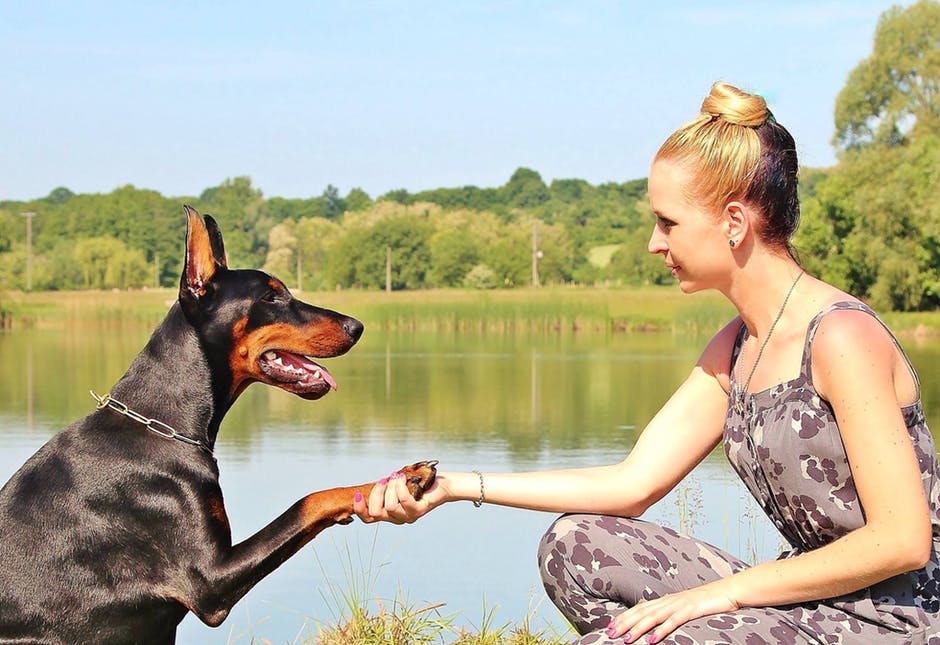
As a dog owner in Tampa, you're likely aware of the importance of proper training for your furry companion. Not only does it help strengthen the bond between you and your dog, but it also ensures their safety and well-being. With the right training techniques and a patient approach, you can transform your dog into a well-behaved and obedient member of your family. In this article, we'll explore the benefits of dog training in Tampa, the different types of training available, and provide you with valuable tips to get started.
Benefits of Dog Training in Tampa
Dog Training Tampa offers numerous benefits for both you and your dog. For one, it helps to establish clear communication and boundaries, reducing the likelihood of behavioral problems such as barking, chewing, and digging. By teaching your dog basic obedience commands, you can also improve their social skills, making them more confident and calm in new environments. Additionally, dog training can help to strengthen your relationship with your dog, fostering a deeper understanding and trust between you and your furry friend.
Types of Dog Training in Tampa
There are several types of dog training available in Tampa, catering to different needs and preferences. Positive reinforcement training, for example, focuses on rewarding good behavior rather than punishing bad behavior. This approach is particularly effective for dogs that are sensitive or anxious, as it encourages them to learn through positive reinforcement rather than fear or intimidation. Other types of training include agility training, which challenges dogs physically and mentally, and clicker training, which uses a distinct sound to mark desired behavior.
Choosing the Right Dog Trainer in Tampa
When selecting a dog trainer in Tampa, it's essential to consider their experience, qualifications, and approach. Look for trainers that use positive reinforcement techniques and have experience working with dogs of your breed and age. You should also observe a training session to gauge the trainer's patience, consistency, and ability to communicate effectively with you and your dog. Don't be afraid to ask questions or seek referrals from friends, family, or veterinarians.
Tips for Effective Dog Training in Tampa
Effective dog training in Tampa requires patience, consistency, and positive reinforcement. Here are some valuable tips to get you started:
1. Set clear goals and expectations: Before beginning training, identify what you want to achieve with your dog. This will help you stay focused and motivated throughout the training process.2. Use positive reinforcement: Reward good behavior with treats, praise, and affection. Avoid punishment or negative reinforcement, as this can create anxiety and fear in your dog.3. Be consistent: Establish a routine and stick to it. Consistency is key to effective dog training, as it helps your dog understand what is expected of them.4. Use high-value rewards:
Choose treats and rewards that your dog finds particularly appealing. This will help motivate them to learn and behave.5. Keep training sessions short: Dogs have short attention spans, so keep training sessions brief and fun. Aim for 10-15 minute sessions, several times a day.6. Practice regularly: Consistency is key to effective dog training. Practice regularly, even if it's just for a few minutes a day.7. Be patient: Dog training is a process that takes time, effort, and patience. Don't expect your dog to learn overnight, but instead, focus on progress and small victories.
Common Dog Training Challenges in Tampa
Despite the best efforts of dog owners and trainers, common challenges can arise during the training process. One of the most common challenges is addressing behavioral problems such as barking, chewing, and digging. These behaviors can be caused by a range of factors, including boredom, anxiety, or lack of exercise. To address these challenges, it's essential to identify the underlying cause and develop a tailored training plan that addresses the root issue.
Addressing Behavioral Problems in Tampa
Addressing behavioral problems in Tampa requires a comprehensive approach that takes into account the individual needs and circumstances of your dog. Here are some tips to help you address common behavioral problems:
1. Identify the underlying cause: Before addressing the behavior, it's essential to identify the underlying cause. This may involve consulting with a veterinarian, trainer, or behaviorist.
2. Develop a training plan: Create a tailored training plan that addresses the root issue. This may involve positive reinforcement training, desensitization, or counterconditioning.
3. Practice consistently: Consistency is key to addressing behavioral problems. Practice regularly, even if it's just for a few minutes a day.
4. Use high-value rewards: Choose treats and rewards that your dog finds particularly appealing. This will help motivate them to learn and behave.5. Be patient: Addressing behavioral problems takes time, effort, and patience. Don't expect your dog to change overnight, but instead, focus on progress and small victories.
Conclusion
Effective dog training in Tampa requires patience, consistency, and positive reinforcement. By choosing the right trainer, setting clear goals and expectations, and practicing regularly, you can transform your dog into a well-behaved and obedient member of your family. Remember to address common challenges and behavioral problems with a comprehensive approach that takes into account the individual needs and circumstances of your dog. With the right training and support, you can unlock a harmonious relationship with your furry companion and enjoy a lifetime of love, loyalty, and companionship.
